Demolition services are vital in striking a balance between necessary destruction and ecological preservation. The process involves intricate planning, skilled execution, and adherence to environmental standards to ensure that deconstruction activities do not harm the surrounding ecosystems. As our built environment continues to evolve, the role of demolition as a precursor to new developments takes center stage, making it essential to keep these activities as 'clean' as possible. The synergy between destruction and ecological safety underscores the importance of employing advanced techniques and methodologies within the industry.
Understanding the Scope of Demolition Services
Types of Demolition Projects
Demolition services vary widely, not just in scale but also in terms of purpose and method. Commercial demolition might involve bringing down a large office complex while retaining parts of the structure for future use or renovation. Residential demolition, on the other hand, often focuses on single-family homes or smaller structures. Industrial demolition can get even more complex, dealing with factories and plants that pose unique challenges due to hazardous materials and infrastructure complexity. Each type of project requires tailored approaches and strategies to ensure safe, efficient, and environmentally friendly execution.
Regulatory Compliance and Standards
Achieving regulatory compliance is crucial for any demolition project. These projects must adhere to various local, national, and sometimes international regulations concerning environmental safety and debris management. Compliance typically involves obtaining necessary permits, conducting environmental impact assessments, and ensuring that all activities align with health and safety standards. Non-compliance can result in heavy fines and project delays, making it essential for demolition businesses to remain abreast of changing regulations. Periodic audits and reports are also part of maintaining compliance, contributing to transparency and accountability within the industry.
Roles and Responsibilities of Demolition Experts
Demolition services play multiple roles in managing projects effectively, serving as planners, safety officers, and environmental guardians. They are responsible for crafting detailed project plans that delineate timelines, resources needed, and specific methods to be employed. Safety is a key concern, and demolition professionals must ensure all safety protocols are in place to protect workers and the public. Beyond the initial teardown, they also oversee waste management, ensuring materials are recycled or disposed of responsibly. Their expertise guarantees that the project is executed professionally, minimizing hazards and environmental impact.
Environmental Impact Assessments
Environmental impact assessments (EIAs) form a statutory requirement for the initiation of many demolition projects. These assessments evaluate potential environmental impacts of planned demolition activities and propose measures to mitigate adverse effects. A comprehensive EIA might include studies on dust emission patterns, hazardous waste management, noise levels, and effects on local wildlife. Not only do EIAs guide decision making, but they also offer transparency, enabling stakeholders and the public to understand the environmental implications of demolition projects. Consequently, EIAs are indispensable tools for ensuring that destruction remains as environmentally conscientious as possible.
The Environmental Considerations of Demolition
Air Quality Management
Air quality management is a critical aspect of demolition projects because these can generate significant dust and particulate emissions. Techniques such as wetting down surfaces, using air filters, and employing negative air pressure systems help reduce airborne contaminants during demolition. The selection of low-emission equipment is another strategy to minimize air pollution. Air monitoring is often conducted before, during, and after demolition to track pollution levels, ensuring that they remain within regulatory standards. Effective air quality management safeguards not just the environment but also the health of workers and nearby residents.
Noise Pollution Reduction
Noise pollution is an often-overlooked element of demolition that can severely impact local communities. Techniques such as scheduling noisy activities outside peak hours and using sound barriers help to mitigate unwanted noise. Modern machinery with noise suppression technology can also significantly reduce sound levels during demolition. Regular noise monitoring measures ensure compliance with local ordinances and serve as a feedback mechanism to further improve noise reduction strategies. Reducing noise pollution supports community relations and ensures demolition does not disrupt daily life more than necessary.
Hazardous Material Identification and Handling
Proper identification and handling of hazardous materials are paramount for safe and clean demolition operations. Materials such as asbestos, lead, and PCB-containing electrical devices pose significant health risks and require specialized handling and disposal. Experts use state-of-the-art detection equipment to identify these hazardous materials at the start of a project. Once identified, they are meticulously removed before general demolition to prevent contamination and compliance violations. By prioritizing safe handling practices, demolition services protect not only the environment but also their workforce and the broader public.
Water Management Strategies
Water management during demolition processes involves the control of runoff, dust suppression, and containment of potential contaminants. Effective strategies can include capturing and diverting runoff to minimize pollution entering local waterways. The use of recycled water for dust suppression can also be an environmentally compliant method to conserve resources. Moreover, proper procedures for handling wastewater ensure that pollutants do not leach into the groundwater. Such comprehensive management prevents water-related environmental issues and supports the sustainability of demolition activities.
Landfill Diversion Techniques
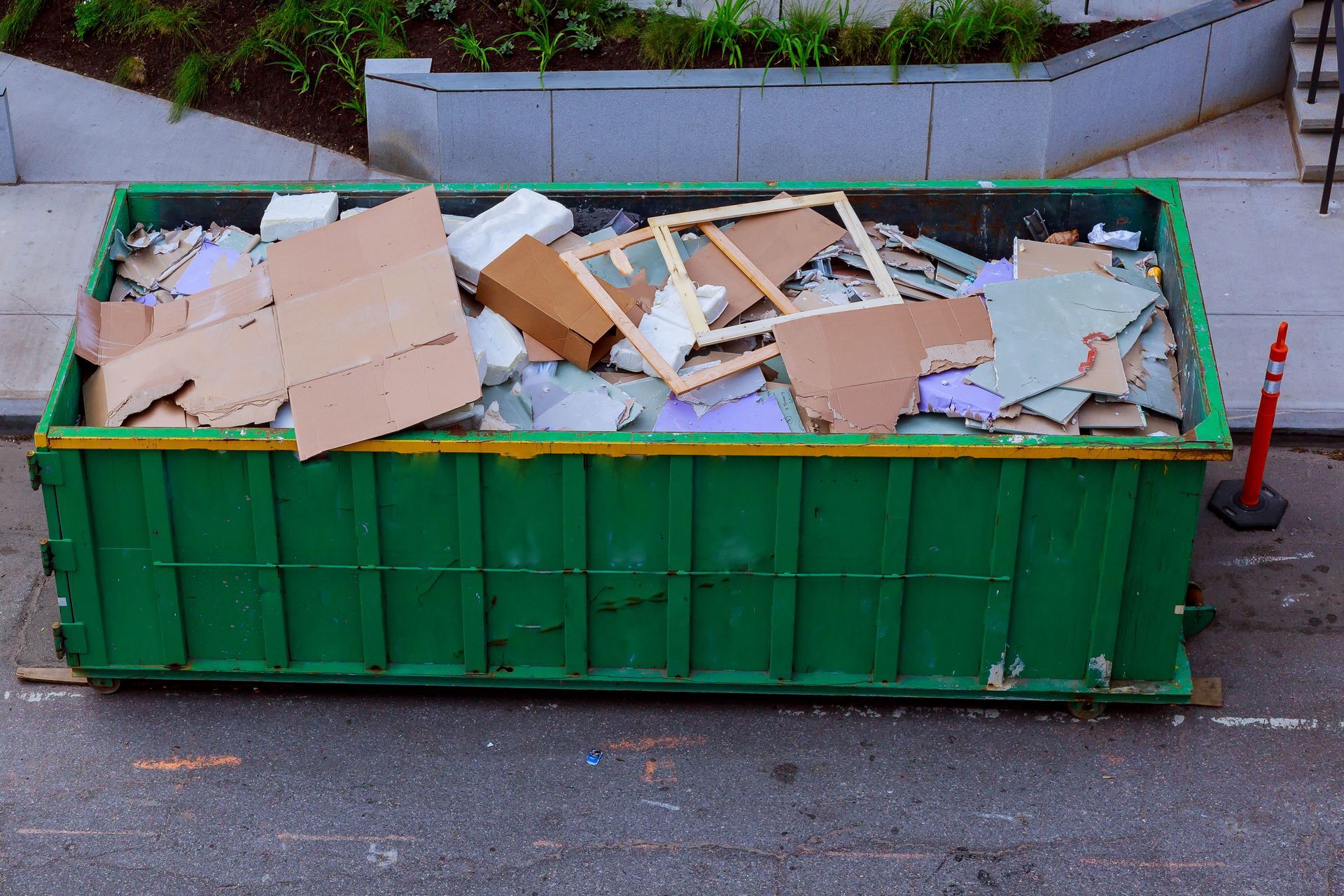
Landfill diversion is a priority in modern demolition to reduce the burden on waste disposal sites and maximize material reutilization. Techniques like on-site material sorting and separation, alongside advanced recycling practices, contribute significantly towards achieving high landfill diversion rates. Selective dismantling allows materials such as metals, wood, and concrete to be separated for recycling. According to the National Demolition Association, approximately 600 million tons of construction and demolition debris are generated annually in the United States, underscoring the importance of effective diversion strategies. Effective landfill diversion aligns with zero-waste initiatives and supports more sustainable building practices.
Advanced Demolition Techniques for Minimizing Waste
Utilizing Selective Demolition Practices
Selective demolition, also known as deconstruction, focuses on dismantling buildings in a manner that allows materials to be salvaged and reused. This practice minimizes waste generation and maximizes resource recovery, contributing to a circular economy in the construction sector. Specialized teams carefully assess the structure and dismantle it in a way that preserves the integrity of reusable materials. This method is particularly essential in environments that aim for sustainability, as it reduces the need for new resource extraction. By promoting the reuse of materials, selective demolition serves to sustain both the economy and the environment.
Recycling and Reuse of Demolition Materials
Demolition projects often generate substantial volumes of recoverable materials like concrete, steel, and wood. Recycling facilities process these materials to be used in new construction projects, reducing demand for raw materials and the cumulative environmental footprint. A proactive recycling approach also limits how much waste ends up in landfills. Additionally, some materials, like concrete, can be crushed and reused on-site as fill material, providing cost savings while promoting environmental sustainability. Through recycling and reuse, demolition services contribute positively to the ecological balance and economic efficiency of construction industries.
Innovating Technology Use in Demolition
Technological advancements are reshaping demolition techniques, making procedures more efficient and environmentally friendly. The use of drones for initial site assessments and monitoring allows precise data collection, enhancing planning and implementation. Software applications can optimize logistics, ensuring that salvageable materials are efficiently collected and processed. Automated machinery can perform demolition tasks more safely and quickly than traditional methods. These technologies reduce the potential for human error and environmental impact while improving overall project execution.
Sorting and Separating Materials
Efficient material sorting and separation enable the systematic recycling and repurposing of demolition debris. On-site processing often includes specialized machinery that can separate materials like metals, concrete, and plastic for their respective recycling streams. This practice ensures maximum recovery and minimal waste, promoting landfill diversion goals. As an effective element within broader waste management strategies, sorting reduces disposal costs and enhances environmental sustainability. By maximizing material reuse, demolition processes help conserve resources and protect ecosystems.
Modern demolition services have evolved far beyond the mere knocking down of structures; they serve as a critical, highly regulated bridge between urban renewal and environmental stewardship. Navigating the unique complexities of commercial, residential, and industrial frameworks requires a sophisticated understanding of structural engineering, local ordinances, and meticulous safety planning. By diverting millions of tons of debris away from landfills and funneling materials back into the circular economy, sustainable demolition guarantees that as we tear down the old, we are responsibly paving a cleaner way forward for the innovations of tomorrow. To learn more about how your local demolition service keeps things clean, reach out to H & H Environmental Services of Georgia today.